

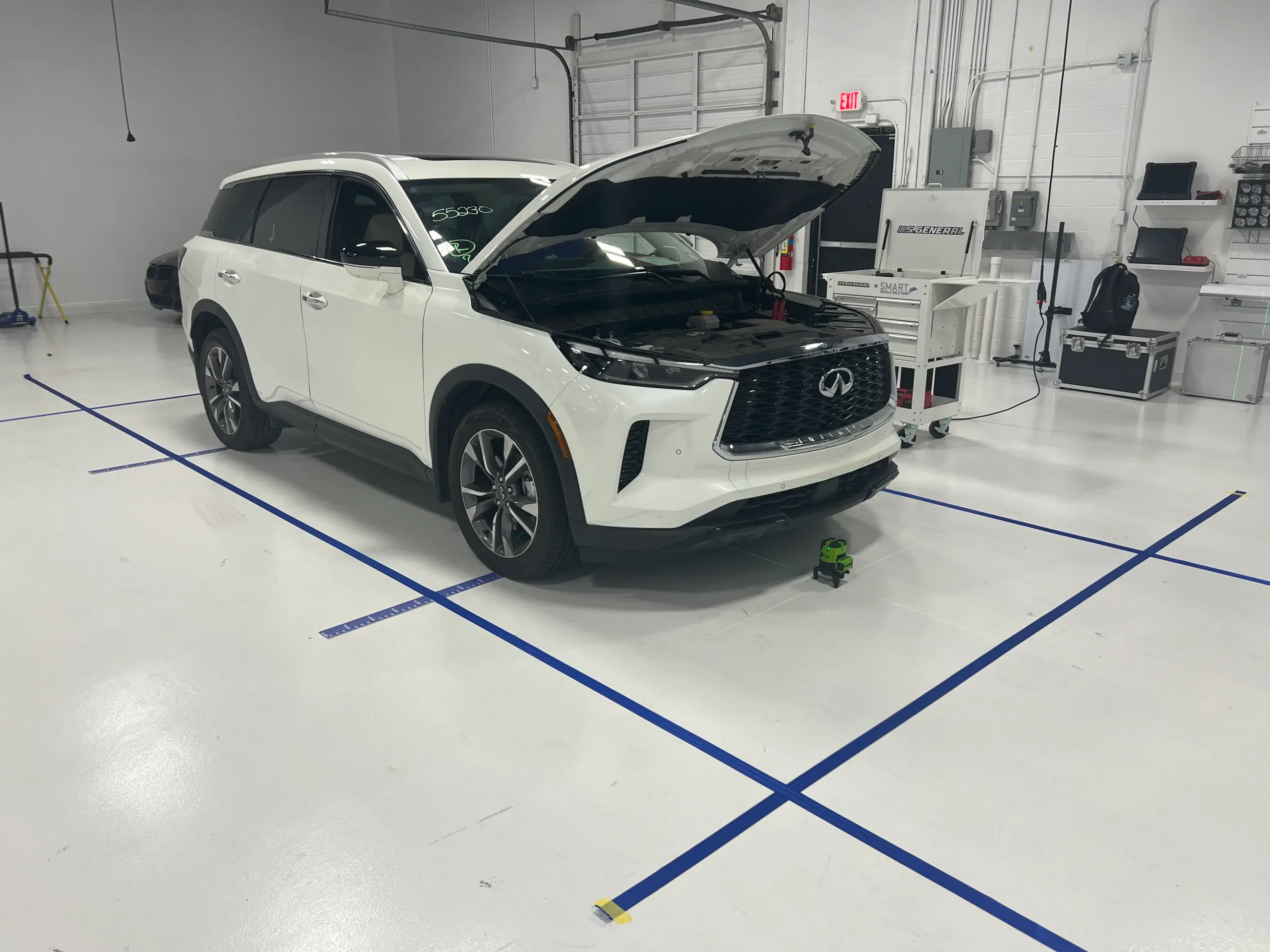
If your vehicle has cameras, radar, or other driver-assistance sensors, a repair may require more than replacing a bumper or windshield. The vehicle may also need ADAS calibration services.
So, does insurance cover ADAS calibration?
Often, yes, when calibration is necessary because of a covered collision, glass claim, or related repair. However, coverage varies by insurer, policy, deductible, and state. Routine maintenance and elective calibration are usually paid out of pocket.
Take a moment before approving the work. Ask why calibration is required, which OEM procedure applies, what the estimate includes, and what documentation you will receive.
When Insurance Usually Covers ADAS Calibration
Insurance generally treats ADAS calibration as part of the necessary repair when a covered event affects the vehicle’s sensors or sensor mounting locations.
Common examples include:
- Collision damage: A bumper, grille, mirror, fender, hood, suspension component, or sensor bracket was damaged or removed.
- Windshield replacement: A forward-facing camera is mounted behind the windshield and must be recalibrated after the glass is replaced.
- Suspension or steering repairs: The repair changes the vehicle’s ride height, steering angle, or wheel geometry.
- Wheel alignment after a collision: The alignment may affect how the vehicle’s cameras or radar interpret the road.
- Sensor or module replacement: A new radar unit, camera, or electronic module requires programming or calibration.
Collision-related calibration is commonly submitted under collision coverage. Windshield calibration may be submitted with a comprehensive or glass claim, depending on the policy. If another driver caused the crash, the responsible party’s liability coverage may apply. The exact result depends on the claim and applicable state rules.
The key requirement is usually necessity. The estimate should show that calibration is required to restore the vehicle according to the manufacturer’s repair instructions.
For additional background, review the AAA explanation of ADAS calibration and repair costs.
When You May Pay Out of Pocket
Insurance does not automatically cover every calibration appointment. You may be responsible for the adas calibration cost when the service is unrelated to a covered loss.
Common examples include:
- Routine testing without a collision or glass claim.
- Preventive maintenance requested by the vehicle owner.
- Calibration after aftermarket suspension, wheels, tires, or lift modifications.
- A DIY wheel alignment or repair that changes the vehicle’s geometry.
- Calibration required because of an aftermarket windshield or non-OEM component, depending on the policy.
- A vehicle with liability-only insurance and no physical damage coverage.
- A service contract or extended warranty that excludes calibration.
A warning light is not required for calibration to be necessary. However, the absence of a warning light does not automatically prove that calibration is needed either. Ask the repair facility to identify the affected system and provide the relevant OEM recommendation.
Coverage also differs by state and insurer. Do not assume that a repair shop’s estimate guarantees payment. Confirm coverage with your insurance company before authorizing additional work.

What Does ADAS Calibration Cost?
The adas calibration cost depends on the vehicle, sensor type, repair scope, and whether additional diagnostic work is needed.
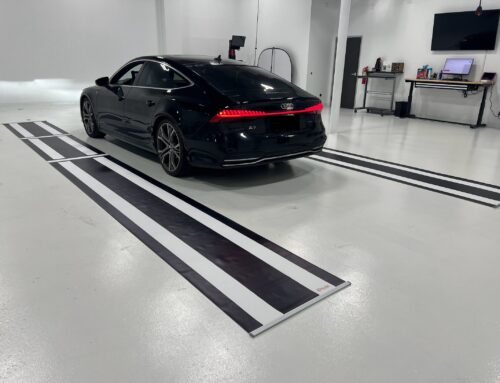
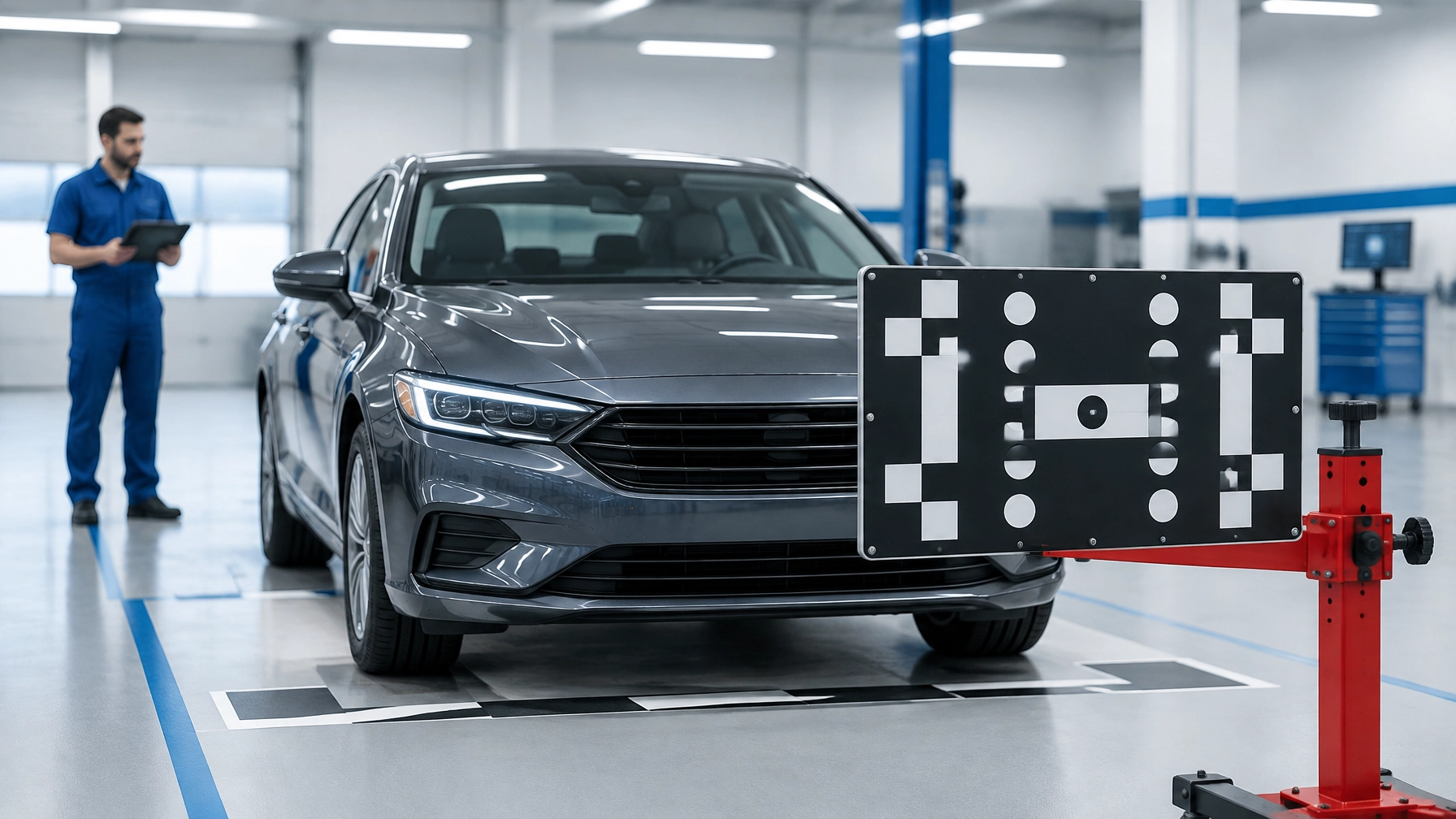
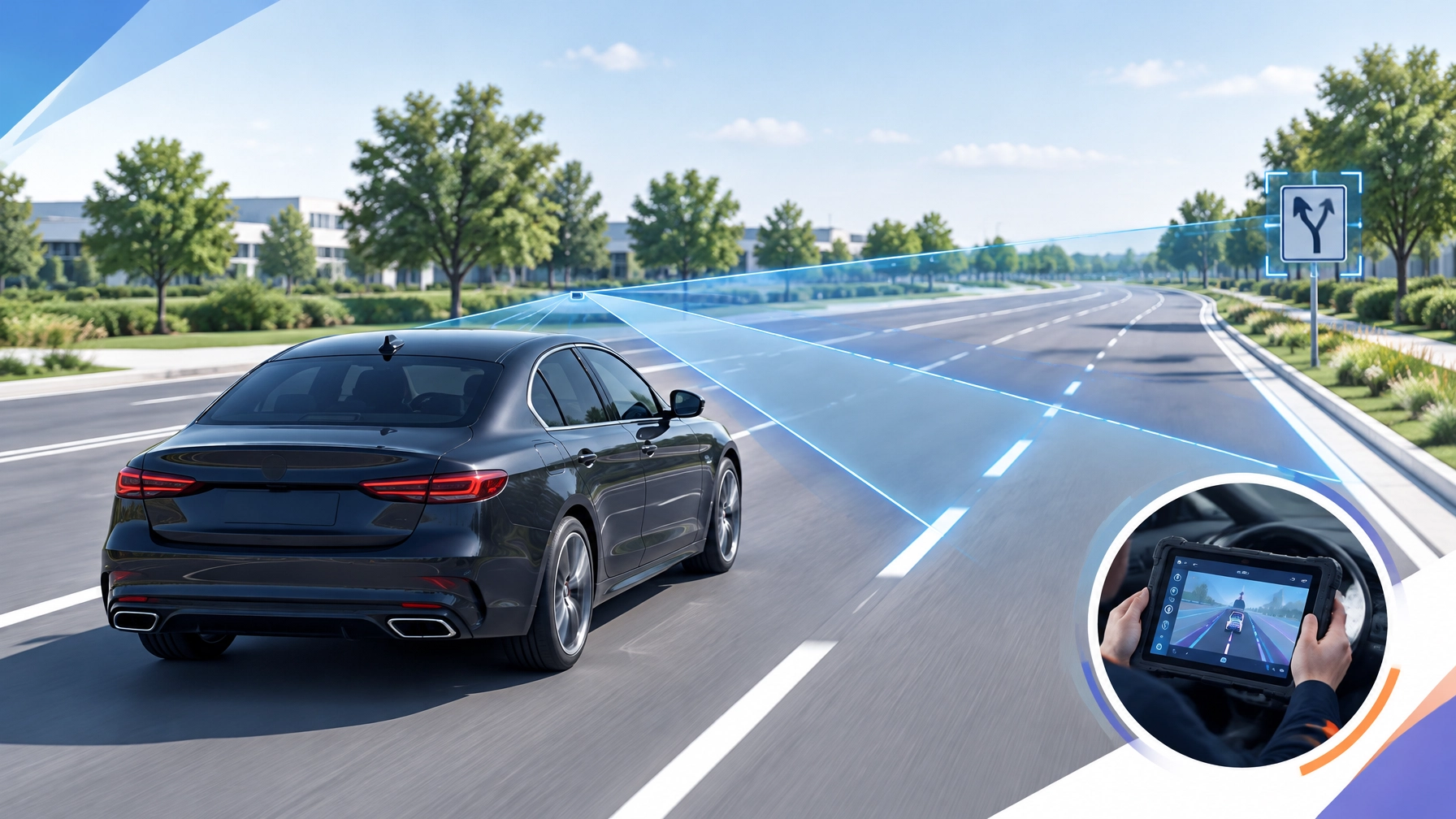
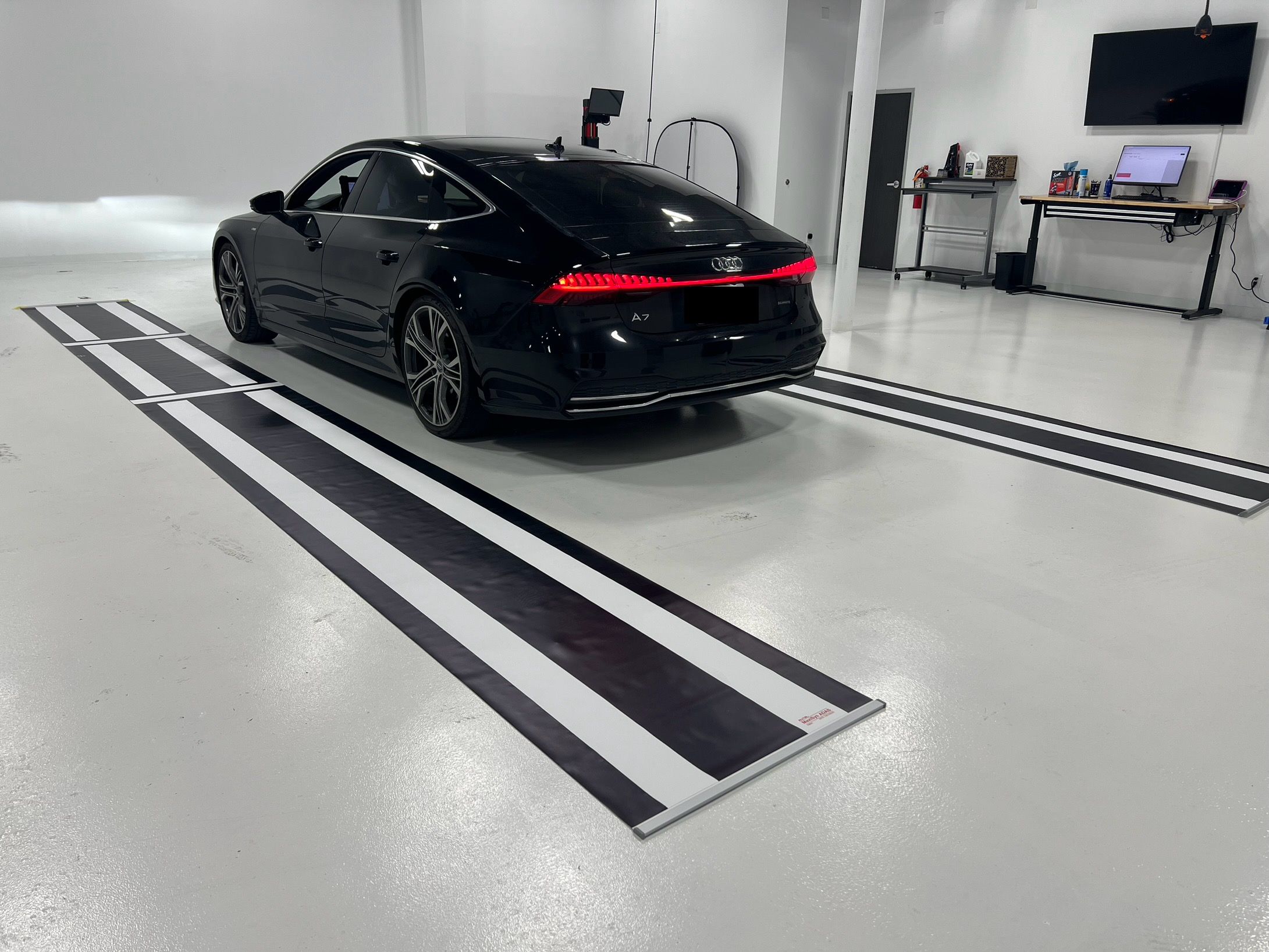
A simple forward-camera calibration may cost less than a vehicle requiring multiple radar units, surround-view cameras, module programming, alignment verification, and a road test. Some vehicles require static calibration with targets. Others require a dynamic calibration drive. Some require both.
A broad estimate may range from several hundred dollars to more than $1,000 for complex systems. The price may include:
- Pre-repair diagnostic scanning.
- Electronic alignment verification.
- Static or dynamic calibration.
- Module programming.
- Post-calibration scanning.
- Test drive verification.
- Photos and calibration records.
- An electronic calibration certificate.
There is no reliable one-size-fits-all price. Ask for a vehicle-specific estimate based on the VIN and repair history.
Insurance may pay the approved amount minus your deductible when calibration is part of a covered claim. If the insurance estimate does not include the operation, the repair shop may need to submit a supplement with OEM documentation and an itemized price.
How to Read an ADAS Estimate
Do not accept a line that simply says “ADAS calibration” without more detail. A useful estimate should identify the work clearly.
Look for the following:
1. The specific system
The estimate should identify the affected component or system, such as:
- Forward-facing camera.
- Front radar.
- Blind-spot radar.
- Surround-view cameras.
- Parking sensors.
- Lane-keeping system.
- Adaptive cruise control system.
2. The required procedure
Ask whether the work requires:
- Static calibration.
- Dynamic calibration.
- Static and dynamic calibration.
- Module programming.
- A steering-angle reset.
- A wheel alignment or alignment verification.
3. Related diagnostic work
A professional estimate may include pre-scan and post-scan charges. These scans help identify existing diagnostic trouble codes and confirm that the safety systems operate after repairs.
4. Documentation
Ask whether the final price includes a calibration certificate, setup photos, scan reports, and the applicable OEM procedure.
5. Deductible and approval status
Ask the insurer:
- Is calibration covered under this claim?
- Which coverage applies?
- Does my deductible apply?
- Is pre-authorization required?
- Is the shop’s estimate approved?
- Can the shop submit a supplement if additional calibration is required?
A low estimate is not always a complete estimate. Oops. A missing scan, programming step, or post-repair verification may create a second visit and additional expense.

What to Say to Your Insurance Adjuster
Use direct questions. Keep the conversation focused on the repair requirement.
You can say:
“The repair facility says my vehicle requires ADAS calibration under the manufacturer’s procedure. Is calibration covered as part of my claim?”
Then ask:
- “Does my policy cover calibration after this collision or windshield replacement?”
- “Does my deductible apply?”
- “Do you need the VIN-specific OEM procedure?”
- “Do you require pre-scan and post-scan reports?”
- “Do you require a calibration certificate?”
- “Can the shop submit a supplement if the original estimate missed calibration?”
- “If coverage is denied, can you provide the reason in writing?”
Save emails, claim numbers, estimates, and photographs. If the adjuster denies the operation, request the denial in writing. Then ask the repair facility whether it can provide the OEM documentation and technical explanation supporting the calibration.
Do not argue that calibration is covered solely because it appears on an invoice. Explain that it is a required step to restore the vehicle’s safety systems after a covered repair.
Documentation to Request Before You Leave
Ask the shop for records that identify your vehicle and show what was completed.
Request:
- Calibration certificate with the VIN, vehicle information, date, and calibrated systems.
- Pre-calibration scan showing the vehicle’s initial electronic condition.
- Post-calibration scan showing the final system status.
- OEM procedure reference or repair documentation used for the calibration.
- Electronic alignment verification report, when applicable.
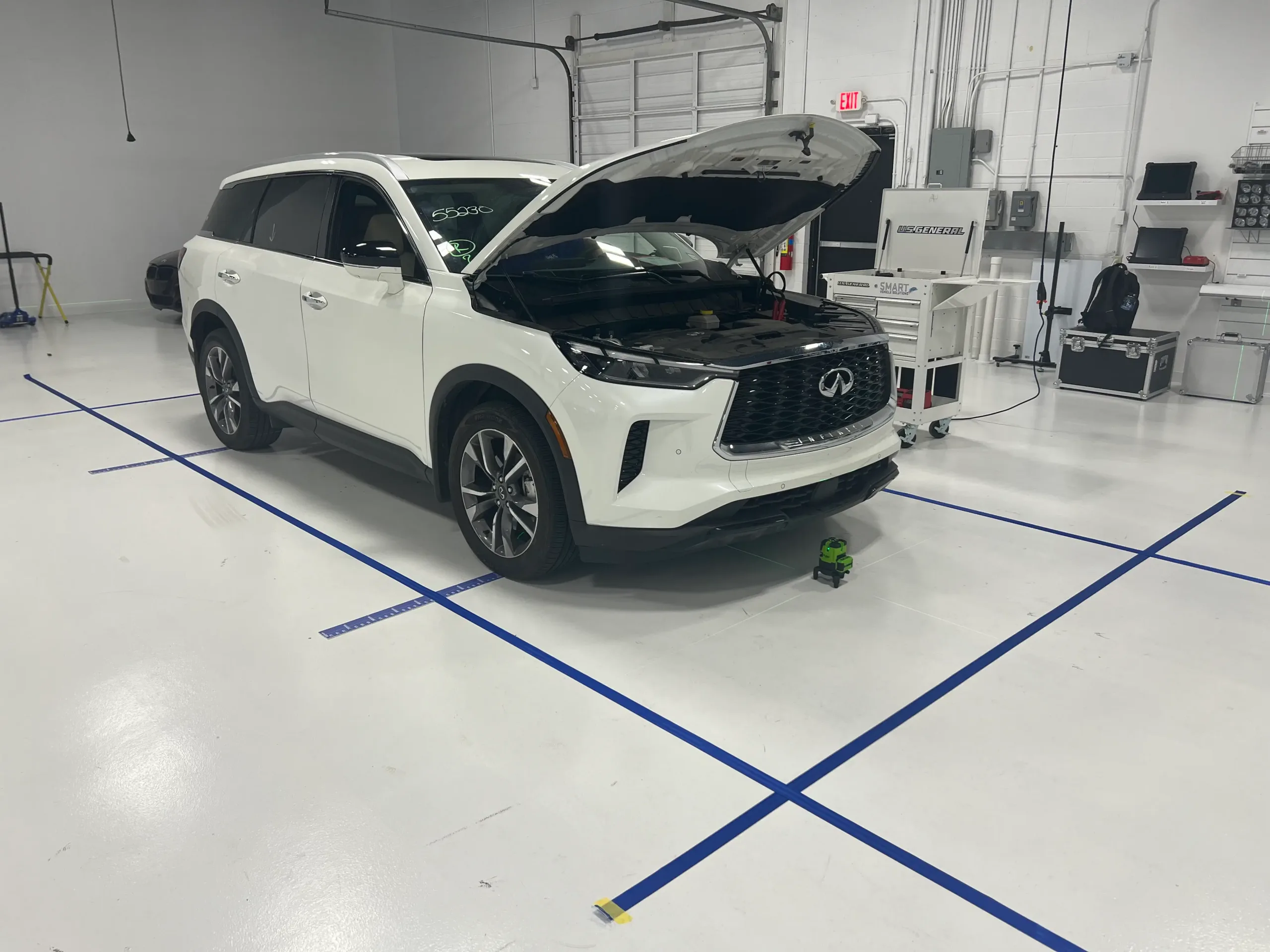
- Calibration setup photos showing targets or equipment placement.
- Test drive documentation, when a dynamic procedure is required.
- Itemized invoice listing each calibration and programming operation.
The certificate should not be a generic receipt. It should connect the completed service to your specific vehicle.

Smart Vehicle Solutions provides electronic documentation that may include scan information, calibration photos, the current calibration procedure, alignment verification, OEM statements, and final service records. Learn more about our ADAS calibration services.
Driver Checklist: Before Approving Calibration
Use this checklist during your next repair:
- Ask whether the repair affects a camera, radar, sensor, bracket, windshield, bumper, mirror, steering, or suspension component.
- Request the VIN-specific OEM calibration recommendation.
- Ask whether the procedure is static, dynamic, or both.
- Confirm whether your insurer covers the operation.
- Ask whether your deductible applies.
- Request an itemized estimate.
- Confirm whether pre-scan and post-scan reports are included.
- Request a calibration certificate.
- Ask for alignment verification when applicable.
- Keep the invoice, claim number, photos, and final documentation.
- Do not rely on a dashboard warning light alone to confirm calibration status.
Why Professional Calibration Matters
ADAS systems depend on accurate sensor placement and vehicle geometry. A camera that is slightly out of position may interpret lane markings incorrectly. Radar that is not aimed correctly may affect distance measurements. A vehicle can drive normally while a safety system is not operating as intended.
Calibration is not the same as clearing a warning code. It may require specialized targets, controlled shop conditions, OEM-level scan tools, module programming, alignment verification, and a test drive.
At Smart Vehicle Solutions, our process includes:
- Diagnostic scanning.
- Code clearing.
- Wheel alignment verification.
- Calibration to manufacturer specifications.
- Module programming when required.
- Post-calibration scanning.
- Test drive verification.
- Detailed documentation.

Contact Smart Vehicle Solutions
Insurance coverage varies. OEM procedures vary. Vehicle requirements vary. The safest approach is to confirm the repair need, verify coverage, and request complete documentation.
Smart Vehicle Solutions provides expert adas calibration services for vehicle owners, repair shops, and collision centers. We use specialized calibration technology and trained technicians to help restore modern safety systems after repairs. Mobile service options may also be available for qualifying locations.
Call us today: 888-631-4896.
Hours:
- Monday–Friday: 8 AM–5 PM
- Weekends: Closed
Location:
13625 Neutron Road
Farmers Branch, TX 75244
Visit our contact page or review our complete services. We will help you understand the required steps, the expected documentation, and the best way to move your repair forward.




Leave A Comment
You must be logged in to post a comment.