

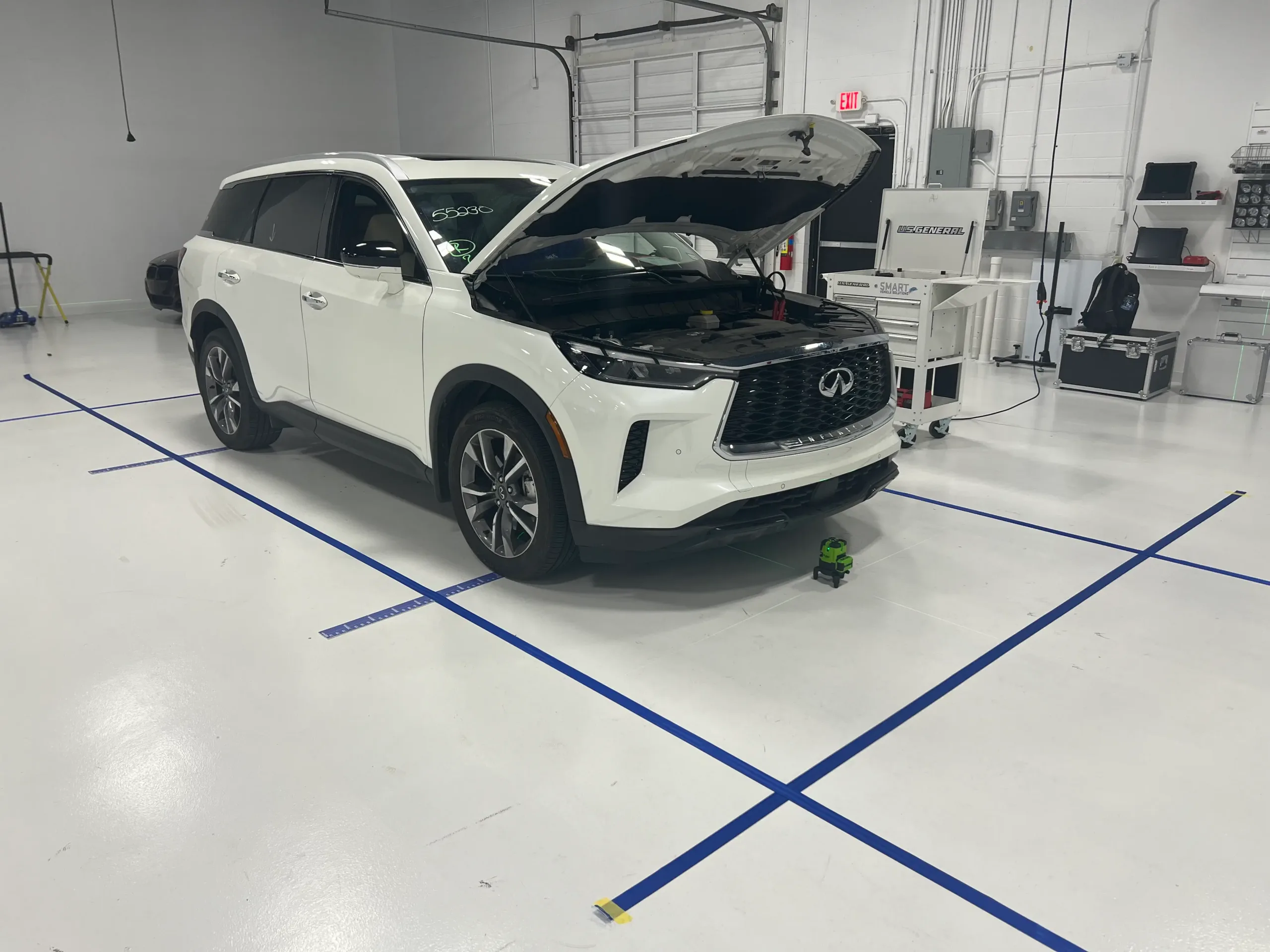
Blind spot monitoring is designed to help you change lanes with more awareness. It can warn you when another vehicle is traveling beside or just behind your car. However, the system must detect that vehicle accurately.
If your vehicle recently had collision damage, bumper work, paint work, or a sensor replacement, it may need blind spot sensor calibration. A system can look normal on the dashboard and still be aimed incorrectly.
Take a moment to learn how blind spot monitoring works, which warning signs to watch for, and when to schedule professional service.
How Blind Spot Monitoring Works
Blind spot monitoring, also called blind spot detection or BSD, uses sensors to watch areas that are difficult to see in your mirrors.
Depending on the vehicle, the system may use:
- Short-range radar sensors
- Cameras mounted near the side mirrors
- Ultrasonic sensors
- A dedicated blind spot control module
- A combination of sensors and vehicle software
Many radar sensors are located behind the rear bumper near the left and right corners. Some camera-based systems are installed in or below the side mirrors.
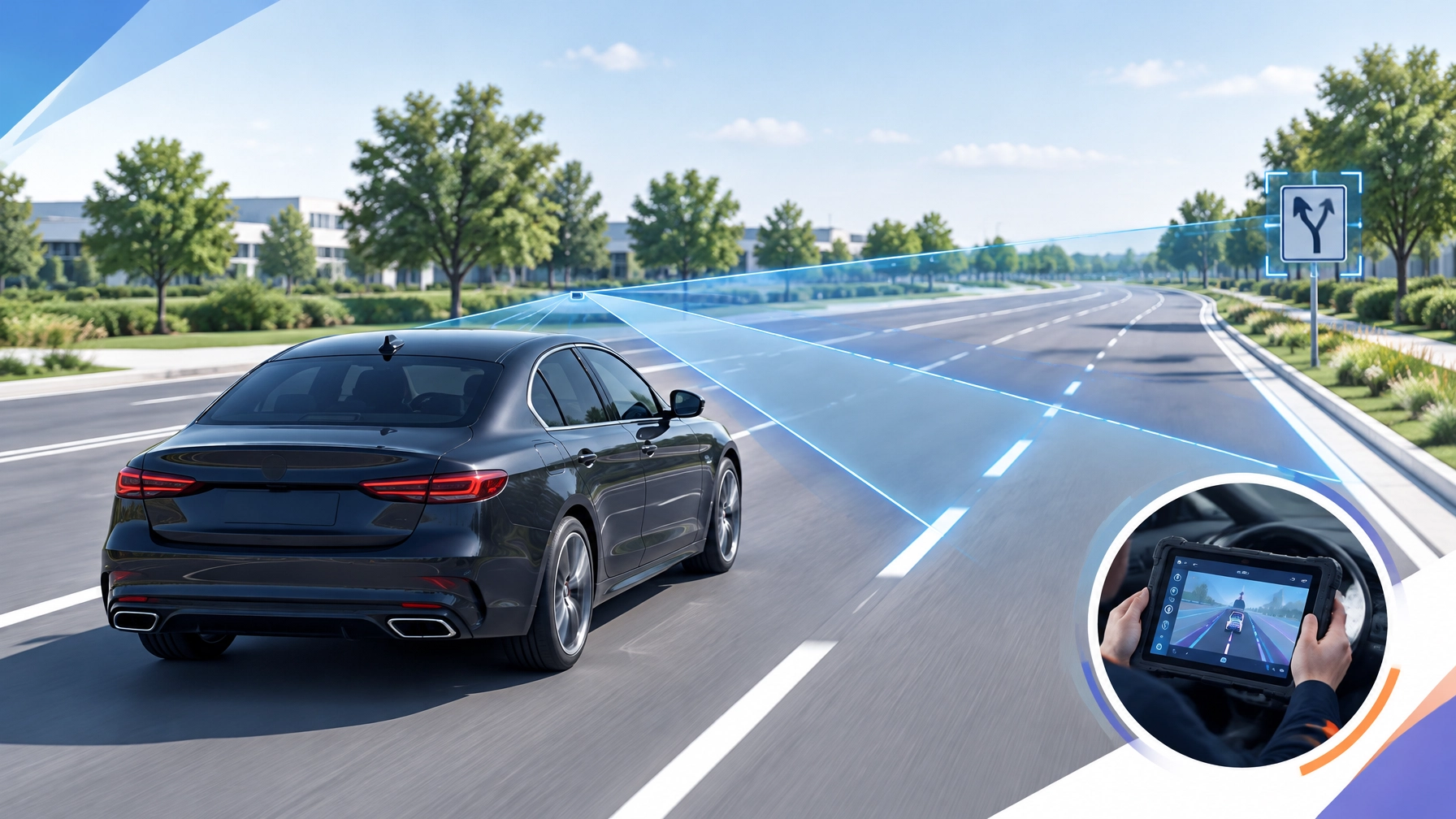
The sensors monitor nearby lanes. The vehicle’s control module evaluates the location, speed, and direction of another vehicle. If the vehicle enters the monitored zone, the system may:
- Illuminate a warning symbol in the side mirror
- Display a warning on the instrument panel
- Sound a chime
- Vibrate the steering wheel or seat
- Provide steering or braking assistance on vehicles with active lane-change support
System operation varies by make and model. Review your owner’s manual for the exact warning lights, operating speeds, and sensor locations. Kelley Blue Book provides a general overview of blind spot monitor operation, while Kia explains how its blind spot monitoring features work.

What Does Calibration Mean?
Calibration sets the sensor’s position and operating parameters to the vehicle manufacturer’s specifications.
A blind spot radar sensor does not simply need to be connected. It must be installed at the correct height, angle, and distance from the surrounding bumper structure. The control module must also understand the sensor’s correct field of view.
Even a small change in sensor position can affect the monitored area. The system may detect vehicles too early, too late, or not at all. It may also issue warnings when there is no vehicle in the adjacent lane.
Calibration may be:
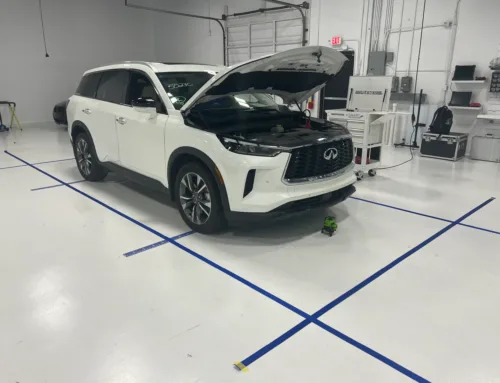
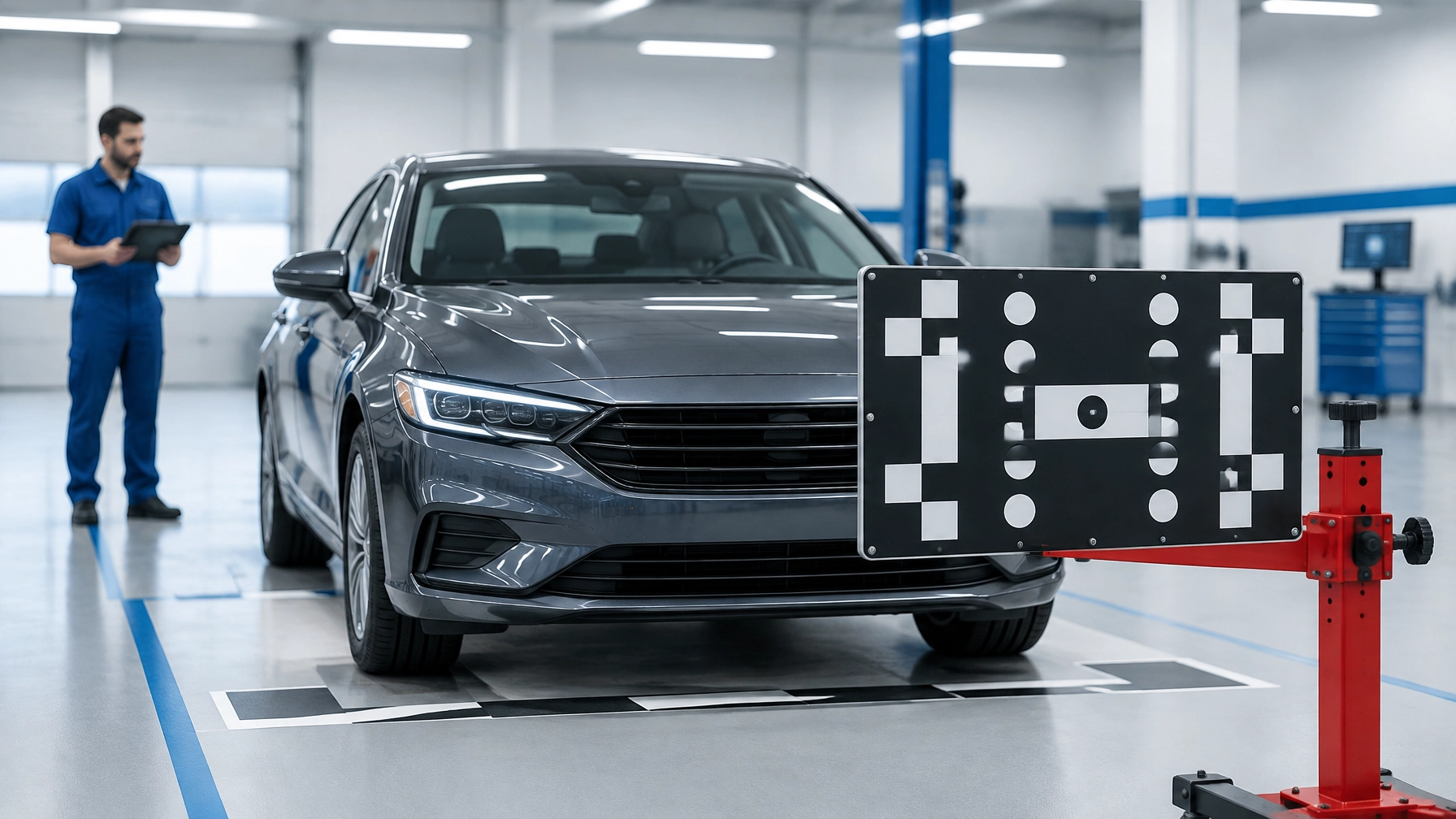
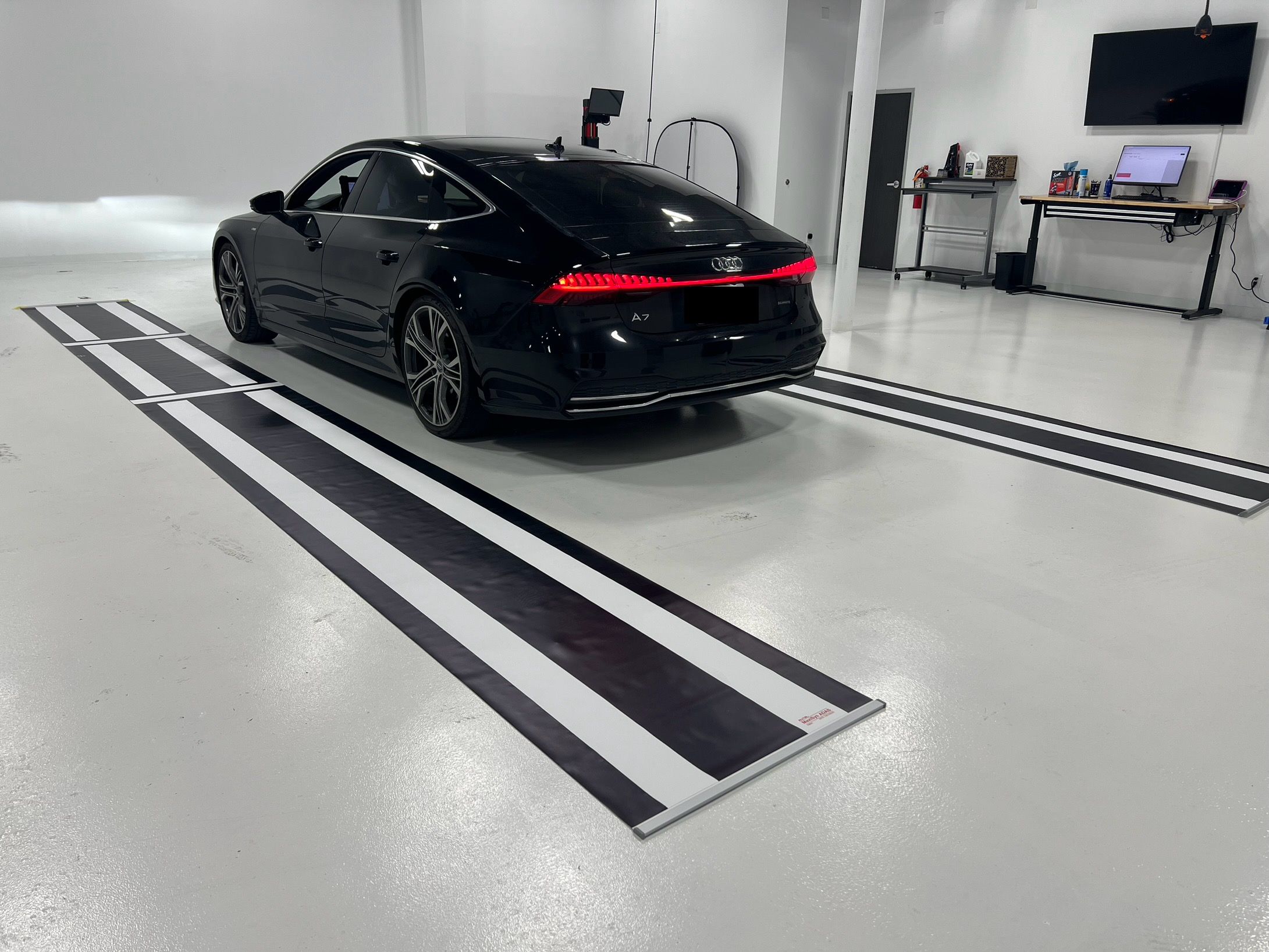
- Static: The vehicle remains in a controlled area while technicians use targets, alignment equipment, and diagnostic tools.
- Dynamic: The vehicle is driven under specific road and traffic conditions so the system can complete its learning process.
- A combination of both: Some vehicles require static setup followed by a documented road test.
The required procedure depends on the year, make, model, sensor type, and repair performed. A technician must follow the applicable manufacturer instructions.
Six Signs Your Blind Spot Sensor May Need Calibration
1. The System Shows an “Unavailable” Warning
Watch for messages such as:
- “Blind Spot System Unavailable”
- “Check Blind Spot Monitor”
- “Blind Spot Assist Fault”
- “Radar Sensor Blocked”
- “Side Assist Not Available”
A temporary warning can result from snow, mud, ice, heavy rain, or another obstruction. Clean the sensor area as instructed in your owner’s manual. Do not remove trim or apply products to the sensor area without guidance.
If the warning remains after the area is clean, schedule a diagnostic inspection. A fault may involve the sensor, wiring, module, bracket, or calibration data.
2. One Side Stops Providing Warnings
Your vehicle may detect traffic on the right but not the left. The opposite may also occur.
This can indicate a problem with one radar sensor, its mounting bracket, wiring, or control module. It can also indicate that one side was disturbed during a repair.
Do not assume the system is working because one warning light still functions. Both sides must operate as designed.
3. You Receive False Alerts
False alerts occur when the system warns you without a vehicle in the monitored lane.
You may notice warnings near:
- Guardrails
- Concrete barriers
- Fences
- Large signs
- Curved roads
- Trailer equipment
- Bike racks
- Nearby vehicles in different lanes
Some alerts can be normal in certain conditions. However, repeated warnings in clear traffic may indicate sensor misalignment, an obstruction, incorrect installation, or a system fault.
4. Warnings Occur Too Early or Too Late
A properly operating system should provide warnings within the range specified for your vehicle.
Calibration may be needed if the warning appears:
- Before a vehicle reaches the adjacent blind spot
- Only after the vehicle has nearly passed
- At inconsistent distances
- Only during certain turns
- At different times on the left and right sides
Do not try to test the system by making an unsafe lane change. Continue using your mirrors and shoulder checks. Have the system inspected instead.
5. The Problem Started After Body Work
Pay close attention to system behavior after:
- A rear-end collision
- A side-impact collision
- A parking lot impact
- Rear bumper repair
- Rear bumper replacement
- Quarter-panel work
- Side mirror replacement
- Bracket repair
- Sensor replacement
A sensor can be moved without visible damage. A bumper cover can also look correct while the sensor bracket behind it is bent or installed incorrectly.
6. The System Behaves Differently After a Paint Job
Paint and refinishing work can affect radar-based systems if the repair changes the material in front of the sensor.
Heavy filler, excessive paint thickness, incorrect materials, or paint applied over a restricted sensor area may reduce radar performance. The requirements vary by vehicle. Always ask the repair facility to check the manufacturer’s specifications.
A paint job does not automatically mean calibration is required on every vehicle. It does mean the sensor area should be inspected and the applicable procedure verified.
When Is Blind Spot Sensor Calibration Required?
Calibration is commonly required after a collision or repair that affects the sensor, bumper, vehicle geometry, or related software.
Ask for a calibration inspection after:
- Rear or side collisions: Impact can move a sensor or bend its mounting structure.
- Bumper removal or replacement: Removing and reinstalling the bumper can change sensor placement.
- Bumper repairs: Reshaping the bumper may alter the sensor’s position or signal path.
- Bumper paint or refinishing: Materials and thickness can affect radar performance.
- Radar sensor replacement: A replacement sensor may require programming and calibration.
- Sensor bracket replacement: The bracket controls the sensor’s exact position.
- Side mirror replacement: Some vehicles place cameras or sensors in the mirror assembly.
- Suspension or alignment work: Changes to vehicle geometry may affect certain ADAS procedures.
- Software or module replacement: New or reprogrammed modules may require setup and calibration.
Manufacturer requirements differ. Ask the repair facility a direct question:
“Was the blind spot monitoring system checked and calibrated according to the manufacturer’s procedure?”
Request written documentation. A completed report can show what was scanned, which procedures were performed, and whether the system passed its final verification.

Why Professional Calibration Matters
Blind spot sensor calibration is not a visual adjustment. It requires the right diagnostic equipment, accurate measurements, proper targets, and access to vehicle-specific procedures.
A professional calibration service should verify more than whether a warning light turns off. The process should identify the actual cause of the problem.
At Smart Vehicle Solutions, our structured ADAS process may include:
- Diagnostic scanning: Identify stored faults and review the condition of the vehicle’s safety systems.
- Clear codes: Reset eligible electronic error codes before calibration.
- Wheel alignment verification: Confirm that vehicle geometry supports sensor accuracy when applicable.
- Calibration: Align and configure sensors according to manufacturer specifications.
- Module programming: Update or configure replacement modules when required.
- Post-calibration scan: Confirm that the ADAS modules are communicating and operating correctly.
- Test drive: Verify real-world performance when the procedure requires road testing.
- Documentation: Provide records of the service, calibration results, and related measurements.
This process helps separate a calibration issue from a damaged sensor, wiring fault, blocked radar area, or module problem.

Do Not Rely on Blind Spot Monitoring Alone
Blind spot monitoring is a driver assistance feature. It does not replace:
- Proper mirror adjustment
- Shoulder checks
- Turn signals
- Safe following distance
- Careful lane-change decisions
The system may not detect motorcycles, bicycles, pedestrians, rapidly approaching vehicles, or objects outside its operating range. Weather, road conditions, trailers, and obstructions can also affect operation.
Use the warning as an additional source of information. Keep your attention on the road and verify that the lane is clear before changing position.
Schedule Blind Spot Sensor Calibration With Smart Vehicle Solutions
Oops. If your vehicle has had bumper work, collision repairs, paint work, or a sensor replacement, do not assume the job is complete because the car drives normally.
Ask for a complete ADAS inspection. Smart Vehicle Solutions uses specialized calibration technology and trained technicians to support vehicle owners, repair shops, and collision centers. Mobile service options may also be available for added convenience.
Call Smart Vehicle Solutions at 888-631-4896.
Hours: Monday–Friday, 8:00 AM–5:00 PM
Weekends: Closed
Location: 13625 Neutron Road, Farmers Branch, TX 75244
Call us today for expert care, documented service, and dependable blind spot sensor calibration.




Leave A Comment
You must be logged in to post a comment.