


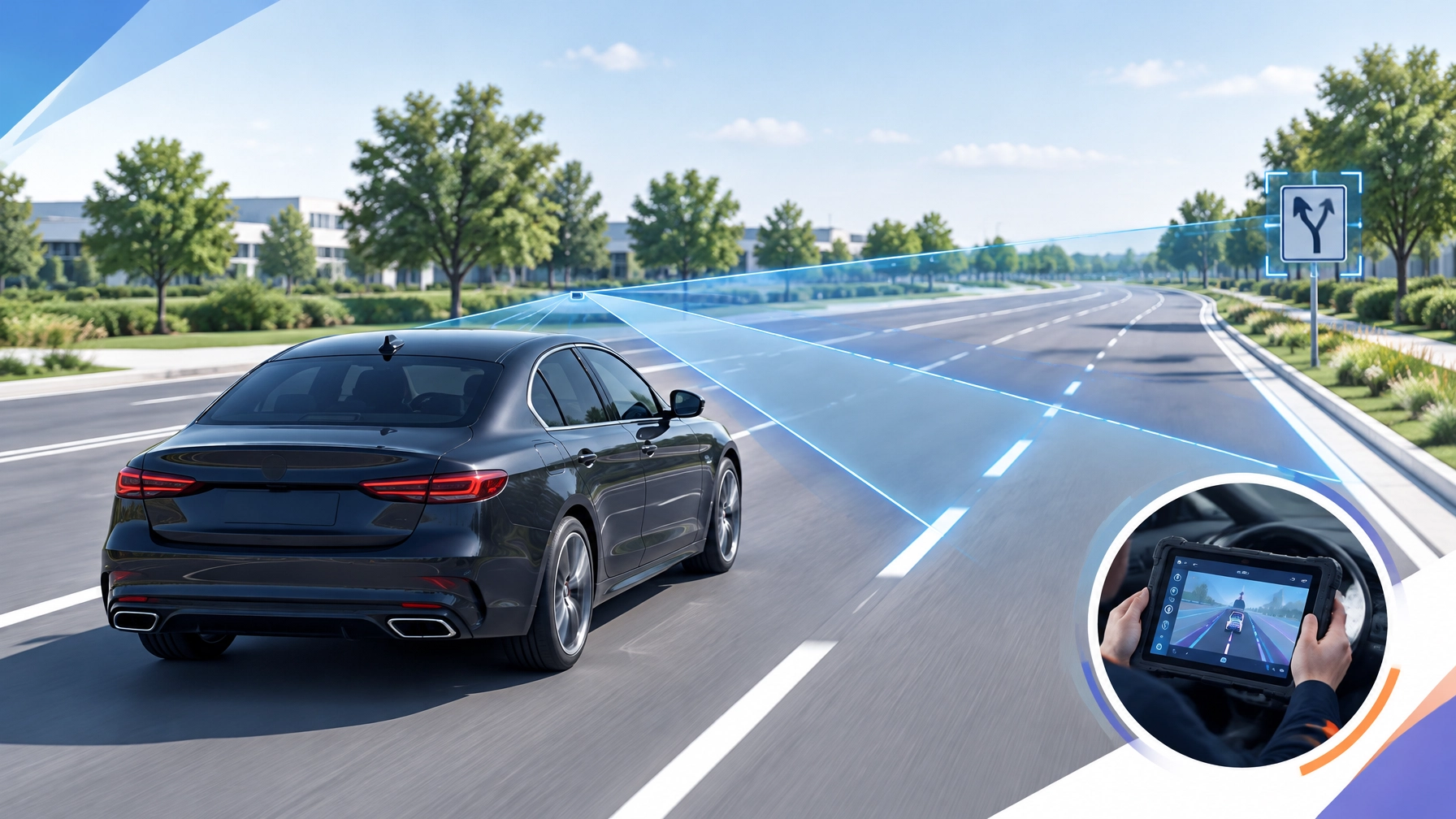
Buying a used car today is about more than just checking the oil and kicking the tires. Most modern vehicles are equipped with Advanced Driver Assistance Systems (ADAS), the "invisible co-pilot" that helps you stay in your lane, warns you of cars in your blind spot, and even hits the brakes in an emergency.
When these systems work, they save lives. When they don’t, they can provide a false sense of security or even worse, create dangerous driving situations. If you are shopping for a used vehicle, you need to verify that these features are functional before you sign on the dotted line.
At Smart Vehicle Solutions, we see many buyers who realize too late that their new-to-them car has a misaligned sensor or other ADAS related issue. Use this guide to empower yourself during your next test drive and ensure you’re getting the safety you’re paying for.
Phase 1: The Paperwork and VIN Check
Before you even touch the door handle, do some homework. Every car's ADAS package is different depending on the trim level.
- Identify the Features: Use the Vehicle Identification Number (VIN) to look up the exact build sheet. Does the car actually have "Adaptive Cruise Control," or just standard cruise?
- Check the Accident History: If the Carfax shows a front-end collision or a windshield replacement, pay close attention. These are the two most common reasons why ADAS calibration is required.
- Ask for Documentation: If a repair was made, ask the seller for a Certificate of Calibration. This document proves that a professional facility like ours has verified the sensors are aligned to manufacturer specifications.

Oops! Did the seller lose the paperwork? If they claim the car is "fine" but have no proof of calibration after a repair? Take a moment to reconsider or have the seller calibrate the vehicle as a condition of the purchase. You can read more about why this document is so vital in our article: Proof Matters: Why Your ADAS Calibration Certificate is the Most Important Paper in Your Glovebox.
Phase 2: The Exterior "Walk-Around" Inspection
ADAS relies on physical hardware. If the hardware is damaged or blocked, the system fails.
- Front Grille/Bumper: Look for a plastic square or a flat emblem. This is usually where the radar sensor lives. If the bumper is cracked or held on by zip ties, the radar is likely misaligned.
- The Windshield: Look at the top-center of the windshield behind the rearview mirror. You should see a triangular or rectangular cutout for the forward-facing camera. If the windshield is pitted, cracked, or an "off-brand" replacement, the camera may struggle. A original or factory glass will have the manufacturer’s logo on it near the bottom corner.
- Side Mirrors: Look for small icons or cameras on the bottom of the mirrors or inside the door by the mirrors. These indicators support your blind spot sensor calibration and 360-degree views.

Phase 3: The Dashboard "Startup" Check
Get into the driver’s seat and turn the ignition to the "ON" position (without starting the engine if possible).
Watch the instrument cluster carefully. You should see a "light show" of icons, including symbols for lane departure, collision warning, and blind spot monitoring. These lights should illuminate and then disappear after a few seconds.
Red Flags to Watch For:
- A persistent warning light like "Front Assist Unavailable."
- A message stating "Sensor Blocked."
- The absence of these lights entirely (which could mean the system was disabled or the bulb was tampered with).
Phase 4: Functional Testing on the Test Drive
Once you are on the road, it is time to see if the systems actually perform. Note: Always stay in full control of the vehicle. Do not intentionally try to cause a collision to test the brakes!
1. Lane Departure Warning Calibration Check
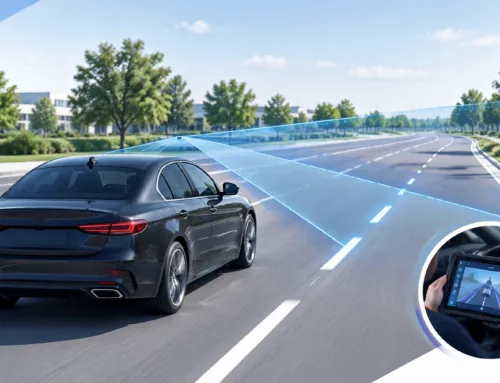
On a road with clear, visible lane markings, safely and slowly drift toward the edge of your lane (without using your turn signal).
- What should happen: You should feel a vibration in the steering wheel, hear an audible beep, or see a visual flash on the dash.
- What if it doesn't? It may indicate a need for lane departure warning calibration. If the car waits until you are halfway into the other lane to alert you, the camera alignment is likely off.
2. Blind Spot Monitoring
Wait for a car to pass you on either side in a safe traffic environment.
- What should happen: The icon in your side mirror should light up clearly.
- Expert Tip: If the light stays on even when no one is there, the blind spot sensor calibration may be compromised, often due to a minor parking lot "love tap" on the rear bumper that didn't leave a visible dent but shifted the sensor.

3. Adaptive Cruise Control (ACC)
If the road is clear and traffic is predictable, engage the cruise control.
- What should happen: Set a following distance. As you approach a slower vehicle, your car should smoothly decelerate to maintain that gap.
- What to watch for: Sudden, jerky braking or the car "losing" the vehicle in front of it around slight curves. These are signs of a radar that needs professional adjustment.
Phase 5: The "Golden Question" for the Seller
When you return from the test drive, ask the seller one direct question: "Has the windshield or any body panels been replaced since you've owned it?"
If the answer is yes, follow up with: "Was the ADAS system recalibrated afterward?"
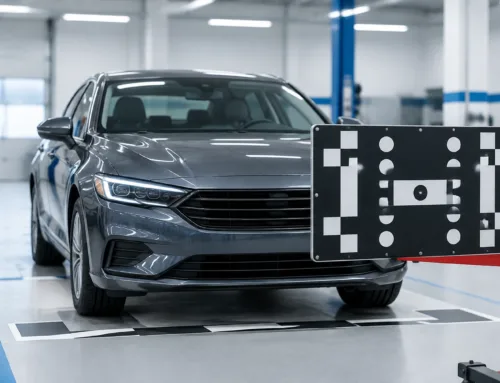
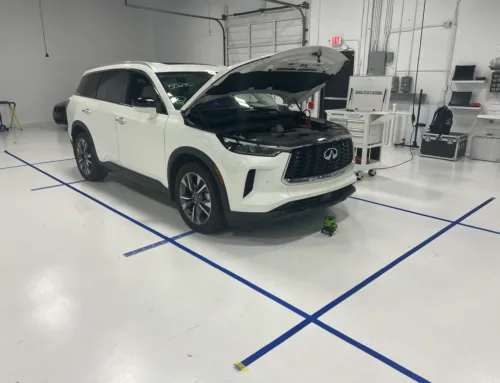
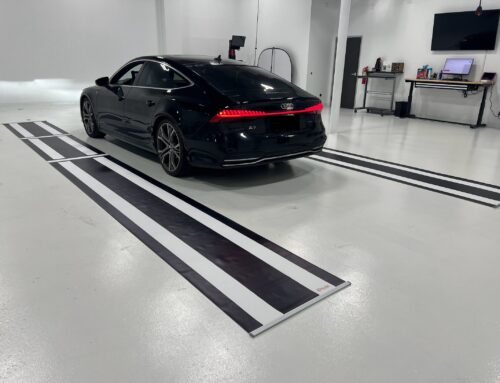
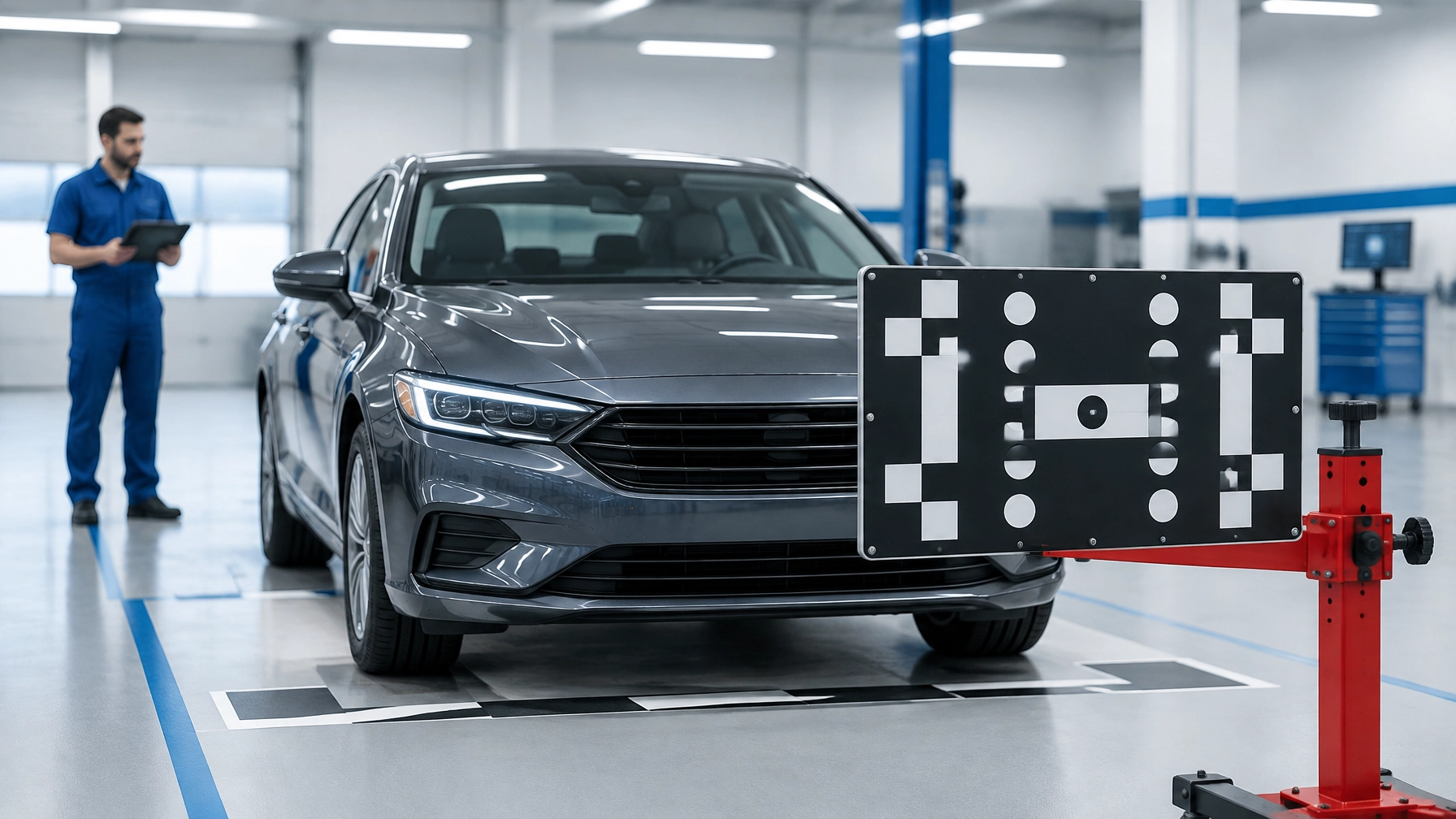
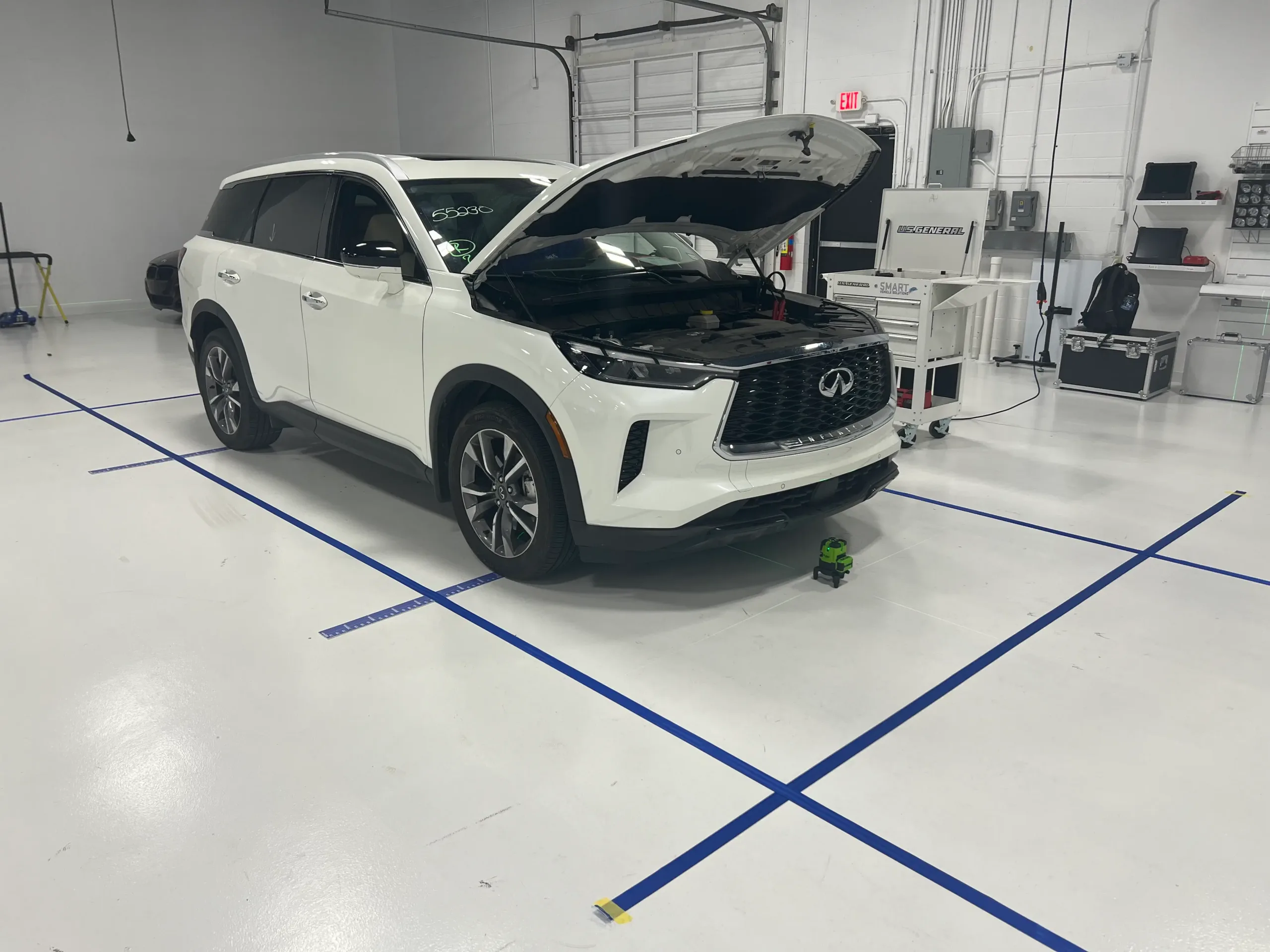
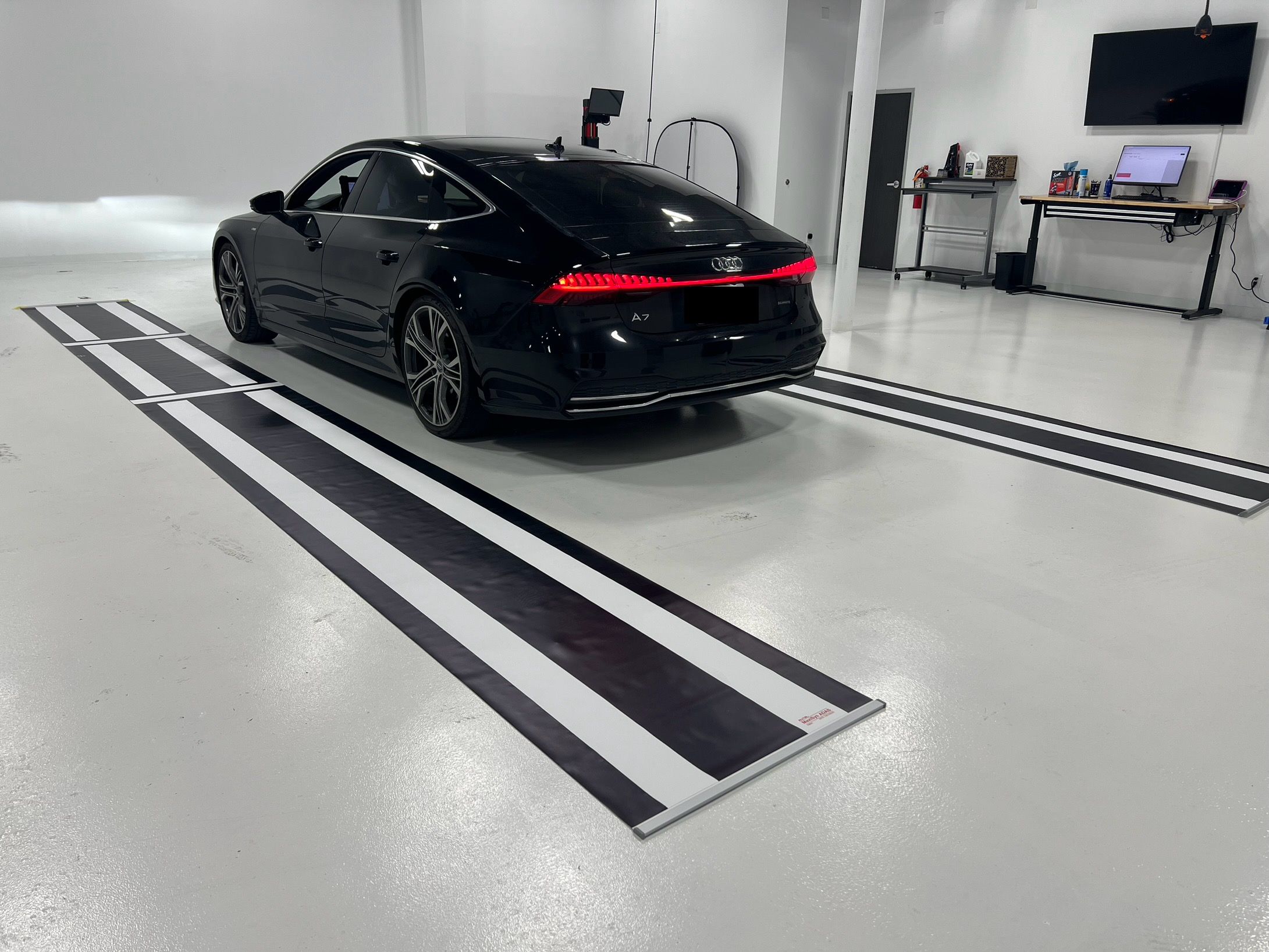
Many body shops and glass repair centers skip this step because they don't have the specialized equipment required. At Smart Vehicle Solutions, we use precision floor mats and digital targets to ensure these sensors are within millimeters of their factory settings.

Expert care for your next vehicle
If you are considering a used car and want peace of mind, contact to us for a pre-purchase diagnostic. We can verify that every safety system is "talking" to the car's computer correctly and identify any hidden faults that a standard mechanic might miss.
If you are not in our area, still reach out to us. We can provide recommendations nearly anywhere in the country for providers that offer similar, high quality calibration services!
Don't settle for "good enough" when it comes to your family's safety. Ensure your ADAS features are calibrated and ready for the road.
Contact Us Today:
- Hours: Monday – Friday, 8:00 AM – 5:00 PM
- Location: 13625 Neutron Rd, Farmers Branch, TX 75244
- Phone: Call us today for an appointment
Visit our About Us page to learn more about our commitment to automotive safety and precision.




Leave A Comment
You must be logged in to post a comment.