

It happens in a split second. You’re backing out of a tight spot at the grocery store, or perhaps you’re crawling through stop-and-go traffic, and, thump. You’ve had a minor fender bender. You get out, inspect the damage, and see nothing more than a light scuff on the plastic bumper. "It’s just a scratch," you think. "I can live with that."
Take a moment. In a modern vehicle, "just a scratch" on the outside can mean a total system failure on the inside.
Today’s cars are more like rolling supercomputers than simple mechanical machines. While the exterior of your car is designed to absorb impact and look good, it is also a protective shell for a complex network of Advanced Driver Assistance Systems (ADAS). When you nudge a bumper, you aren't just hitting plastic; you are potentially knocking the car's "brain" out of alignment.
At Smart Vehicle Solutions, we see this every day. A vehicle comes in for a routine check, and the owner is shocked to find that their Adaptive Cruise Control or Automatic Emergency Braking is functionally "blind" because of a low-speed parking lot bump.
The Anatomy of a Modern Bumper: What’s Hiding Under the Skin?
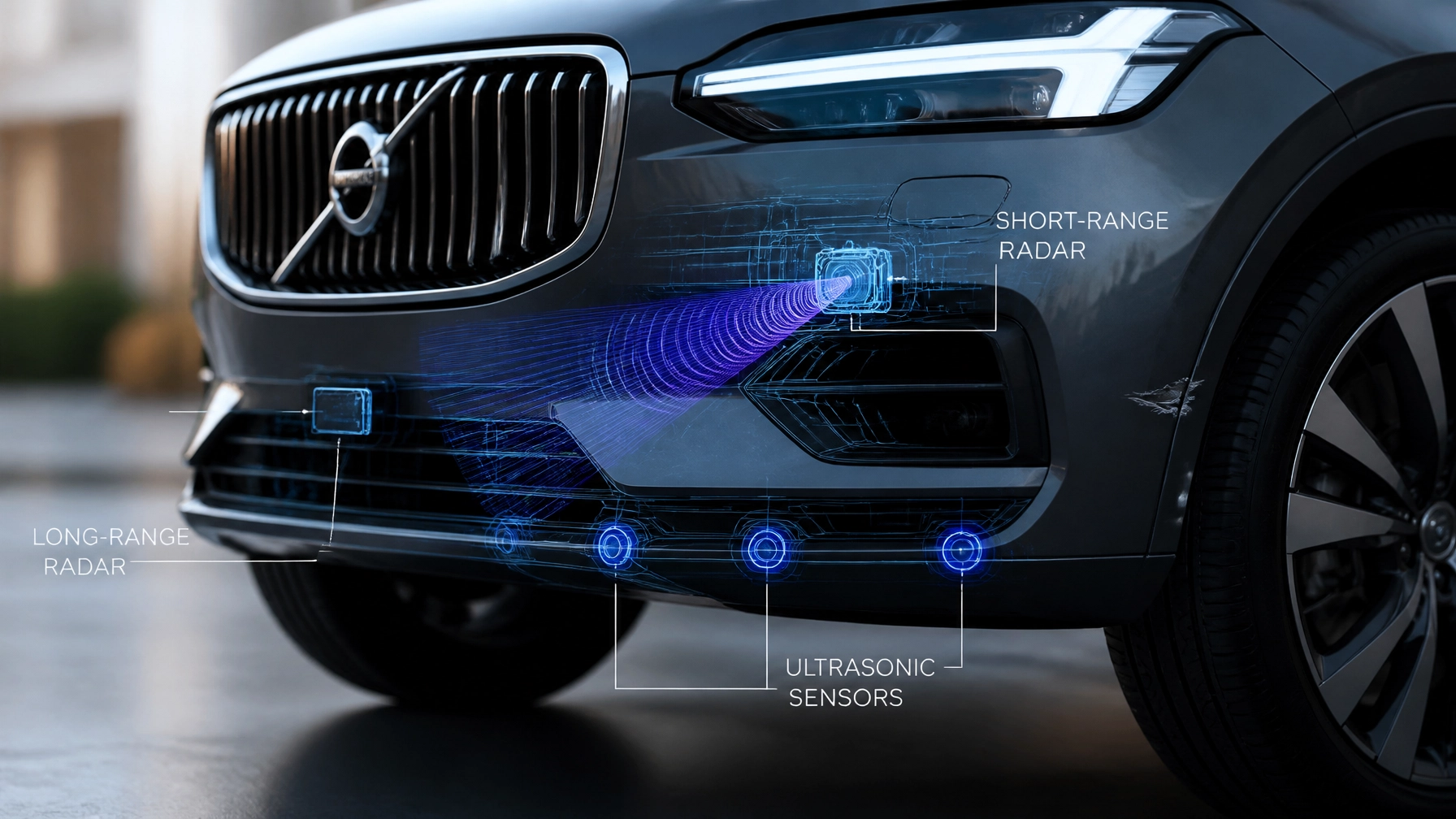
Twenty years ago, a bumper was a heavy piece of steel or a simple plastic cover over a foam energy absorber. Today, your bumper is a high-tech housing unit. It serves as the primary mounting point for some of the most sensitive equipment in your vehicle.
Radar Sensors
Most modern vehicles use radar for systems like Adaptive Cruise Control (ACC) and Forward Collision Warning (FCW). These sensors are often tucked behind the front grille or even hidden directly behind the manufacturer’s emblem. Because radar waves can pass through plastic, car makers hide them to keep the car's design sleek. However, this means a direct hit to the logo on your grille can shatter or shift the radar unit without leaving a single crack in the plastic.

Ultrasonic Sensors
Those small, circular "buttons" you see dotted along your front and rear bumpers are ultrasonic sensors. They use sound waves to detect nearby obstacles while parking. These are incredibly fragile. A minor compression of the bumper cover can pop these sensors out of their brackets or push them slightly inward, leading to constant "ghost" alerts or a total failure to beep when you’re about to hit a pole.
Blind Spot Monitors
Hidden behind the corners of your rear bumper are radar units that look sideways and backward. These are the "eyes" for your Blind Spot Monitoring system. Because they are located at the very corners of the car, the most common place for fender benders, they are frequently the first things to get knocked out of whack.
The "Millimeter" Problem: Why Alignment is Everything
You might wonder why a tiny shift matters. If the sensor is still mostly pointing forward, isn't that enough?
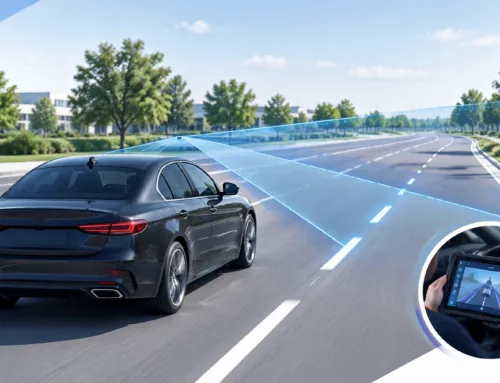
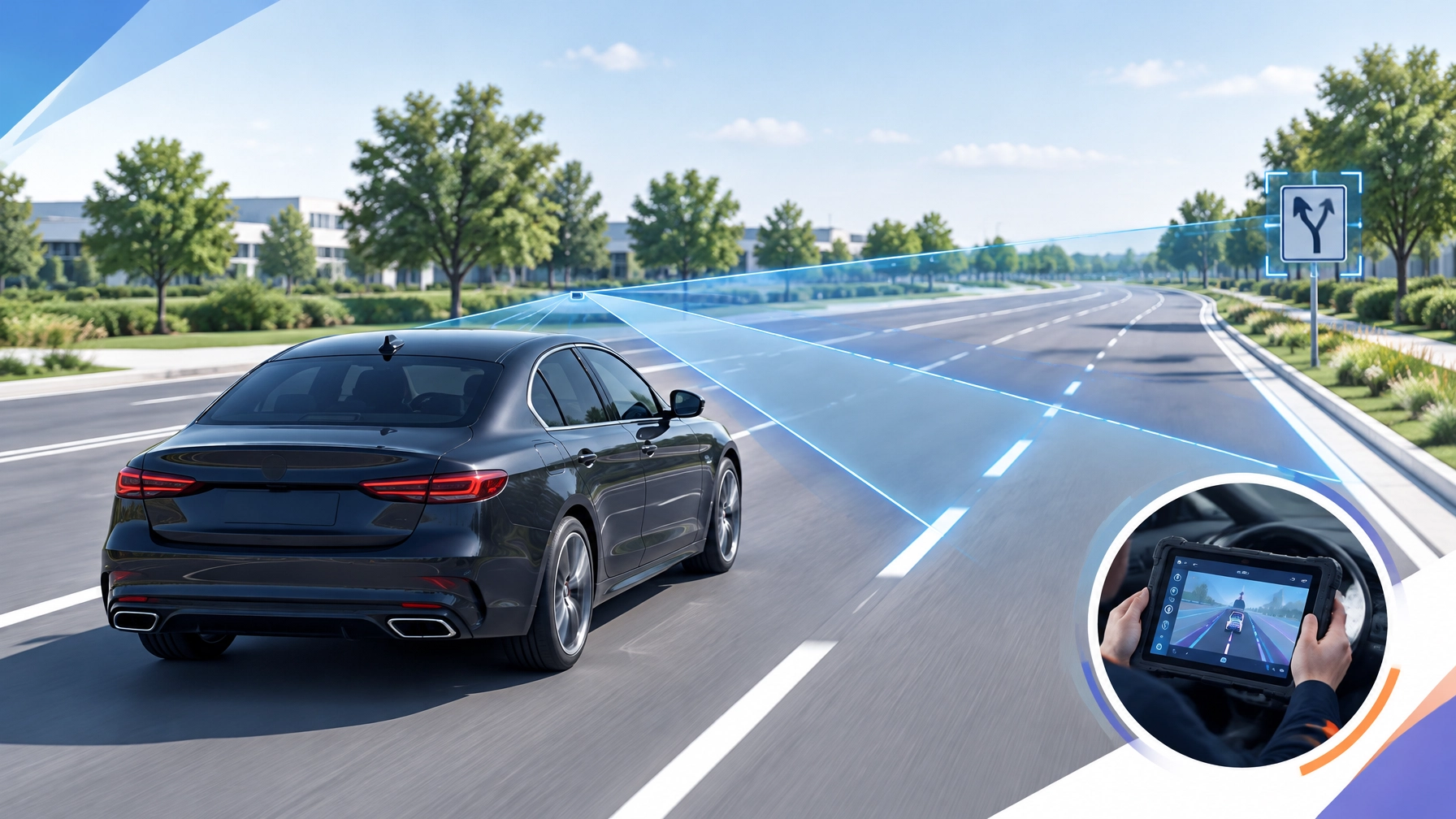
Oops, unfortunately, no. ADAS sensors operate on the principle of extreme precision. Think of a sensor like a laser pointer. If you hold a laser pointer and move your hand just one millimeter, the dot on the wall ten feet away might move an inch. If that wall is 200 feet away (the distance at which your car needs to detect an obstacle at highway speeds), that one-millimeter shift at the bumper becomes a 50-foot error on the road.
When a sensor is misaligned by even a fraction of a degree:
- Adaptive Cruise Control might "see" a car in the lane next to you instead of the car directly in front, causing your vehicle to brake unexpectedly.
- Lane Keep Assist might think you are drifting out of your lane when you are perfectly centered, leading to intrusive steering corrections.
- Automatic Emergency Braking may fail to trigger because it doesn't recognize a vehicle as being in your direct path.
This is why Verify Wheel Alignment and precise calibration are non-negotiable after any impact. If your car’s geometry has changed by even a tiny amount, the sensors are no longer looking where the computer thinks they are looking.
Silent Failures: The Danger of No Warning Lights
One of the biggest misconceptions we encounter is the idea that "if something was wrong, a light would come on."
Modern ADAS units are smart, but they aren't perfect. In many cases, a minor impact will shift a sensor just enough to make it inaccurate, but not enough for the car's self-diagnostics to realize it's broken. The system stays active, and you continue to trust it, unaware that its perception of the world is skewed.
We call this a "Silent Failure." Your car isn't telling you it's sick, but its safety net is gone.

To catch these silent failures, we perform a Diagnostic Scanning process. We plug into your car’s computer to look for "soft codes": errors that haven't triggered a dashboard light yet but indicate that a sensor is struggling to communicate or maintain its alignment.
Why "Eye-Balling It" Doesn't Work
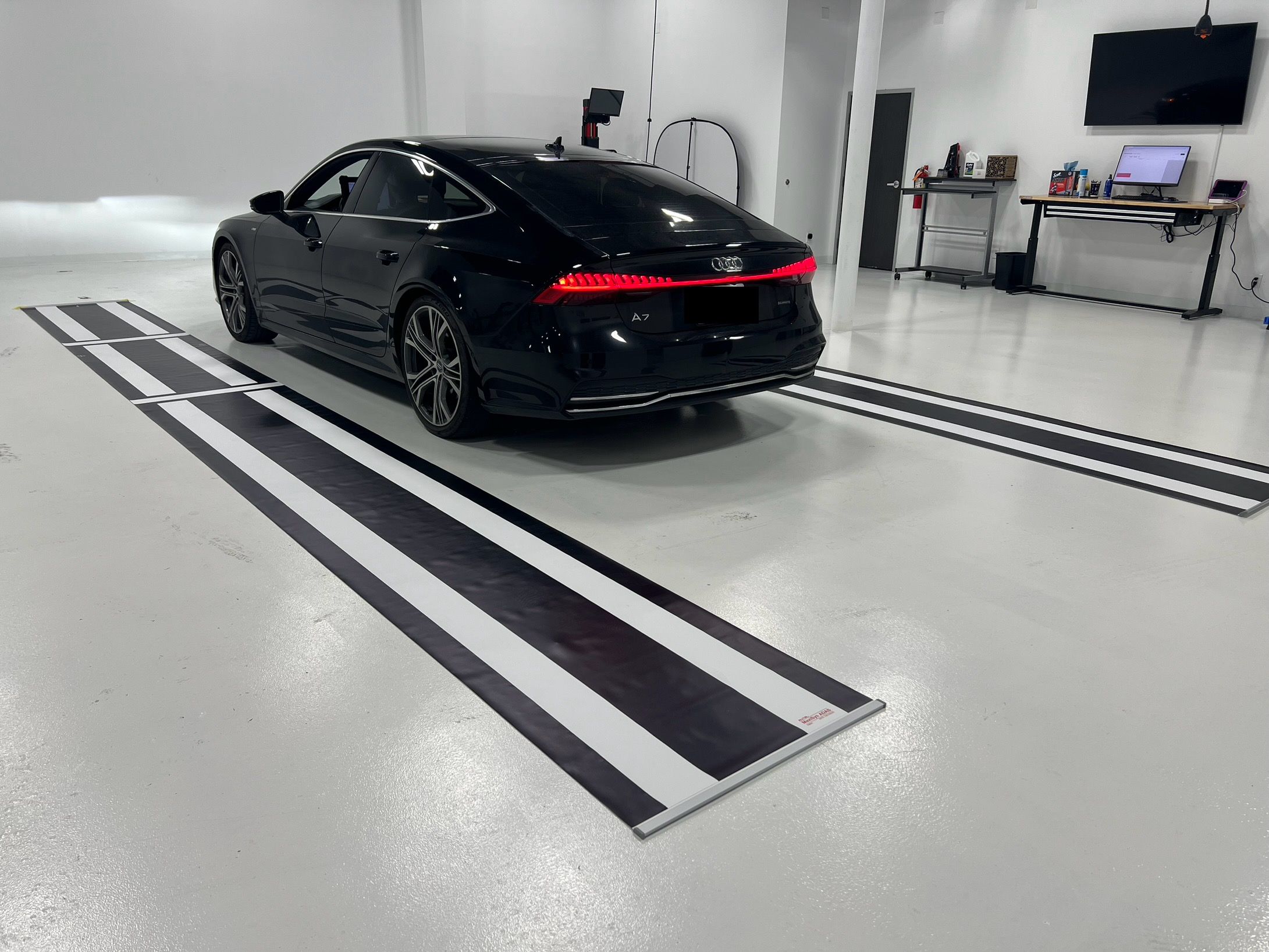
If you take your car to a standard body shop after a minor bump, they might fix the paint and pop the bumper back into place. To the naked eye, the car looks perfect. But without Calibration Services, that car is not safe.
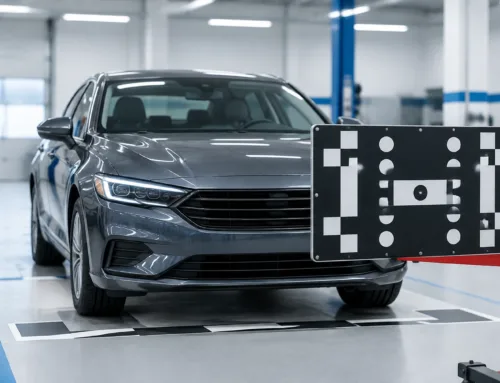
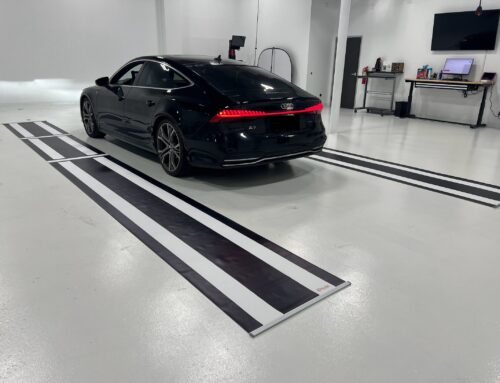
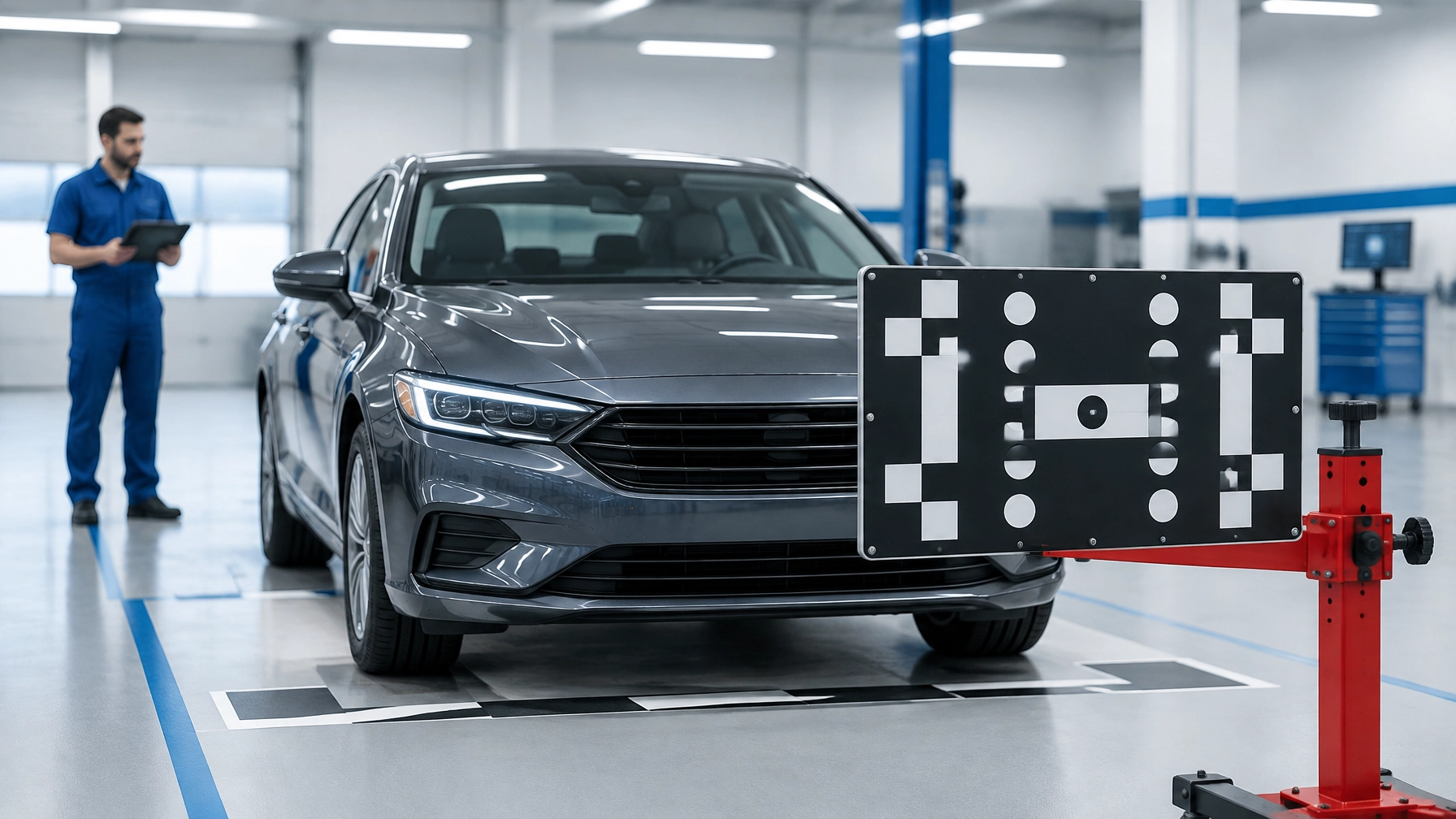
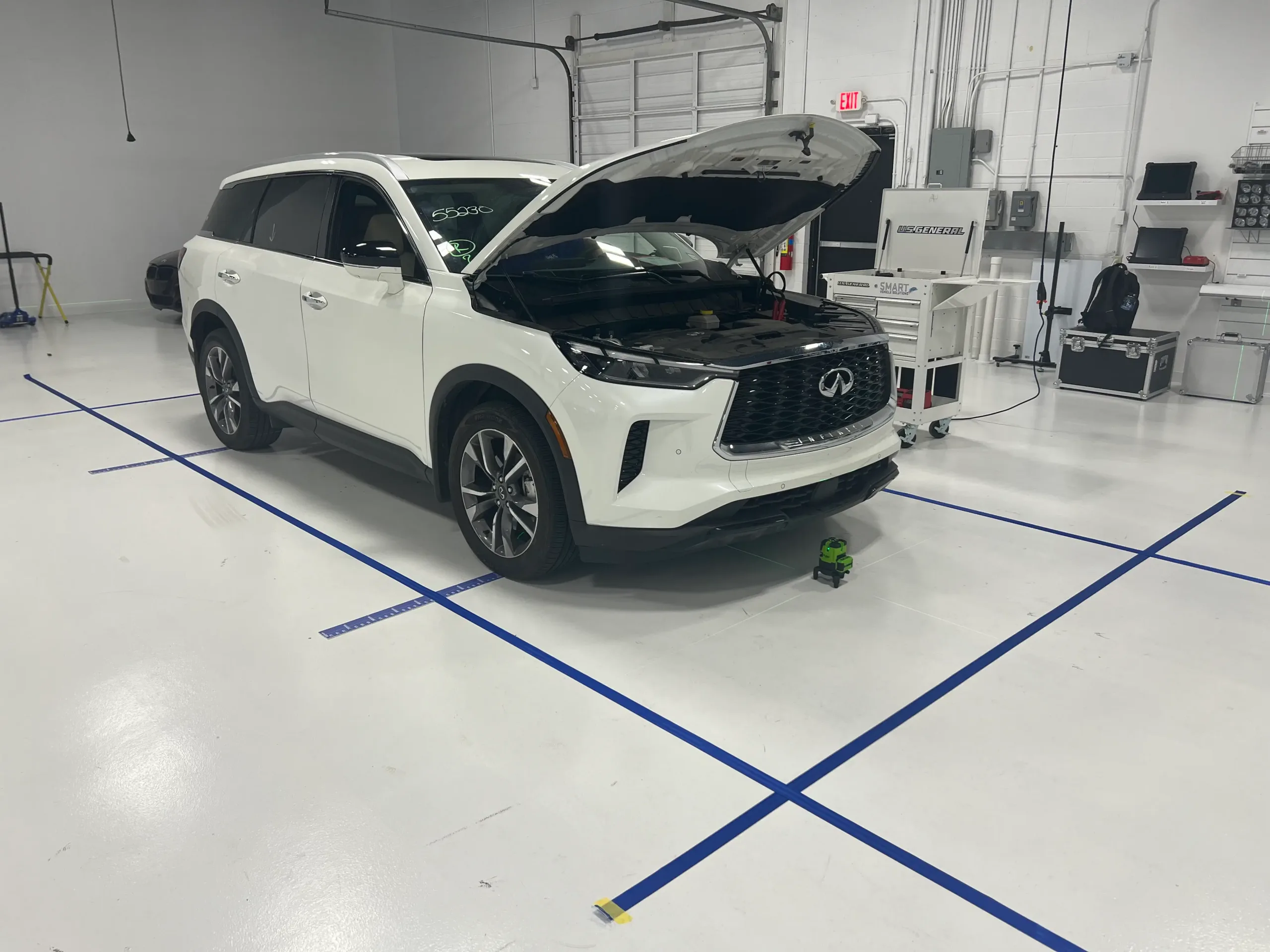
Calibration requires a controlled environment, specialized targets, and highly trained technicians. We use manufacturer-specific procedures to ensure every sensor is aimed exactly where it needs to be. This isn't something that can be done with a tape measure and a level in a driveway.

At Smart Vehicle Solutions, we provide a full Documentation package after every service. This is your "Proof of Safety," a certificate showing that your vehicle’s safety systems have been verified and returned to factory specifications.
What to Do After a Minor Fender Bender
If you’ve had a low-speed impact, don't wait for a warning light to appear. Follow these steps to ensure your expert care:
- Visual Inspection: Check the impact area. Are there any sensors (like the little circles for parking) that look pushed in or crooked?
- Monitor Behavior: Does your car feel different? Are you getting "Sensor Unavailable" messages in the rain? Is your lane-keeping assist "ping-ponging" you between the lines?
- Get a Professional Scan: Even if the car looks fine, a diagnostic scan is the only way to know if the internal modules are happy.
- Calibrate if Necessary: If the bumper was removed for repair or if the impact was near a sensor mount, calibration is a requirement, not an option.
Expert Care for Your Advanced Vehicle
Your safety: and the safety of your family: depends on these systems working exactly as designed. A minor fender bender shouldn't compromise your vehicle's ability to protect you.
Whether you are a vehicle owner or a collision center looking for expert assistance, Smart Vehicle Solutions is here to help. We utilize the latest specialized calibration technology and certified technicians to ensure your car’s "brain" is fully operational. We even offer mobile service options for your convenience.
Don't leave your safety to chance.
Call us today to schedule a post-accident diagnostic scan and ensure your ADAS is properly calibrated.




Leave A Comment
You must be logged in to post a comment.